
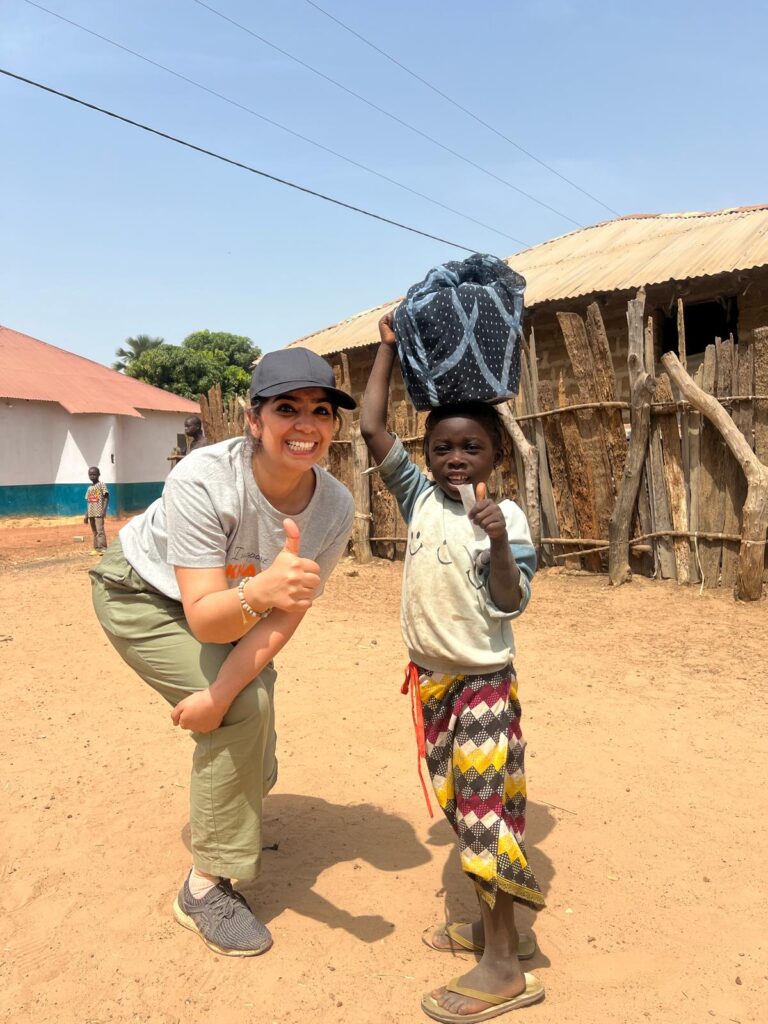
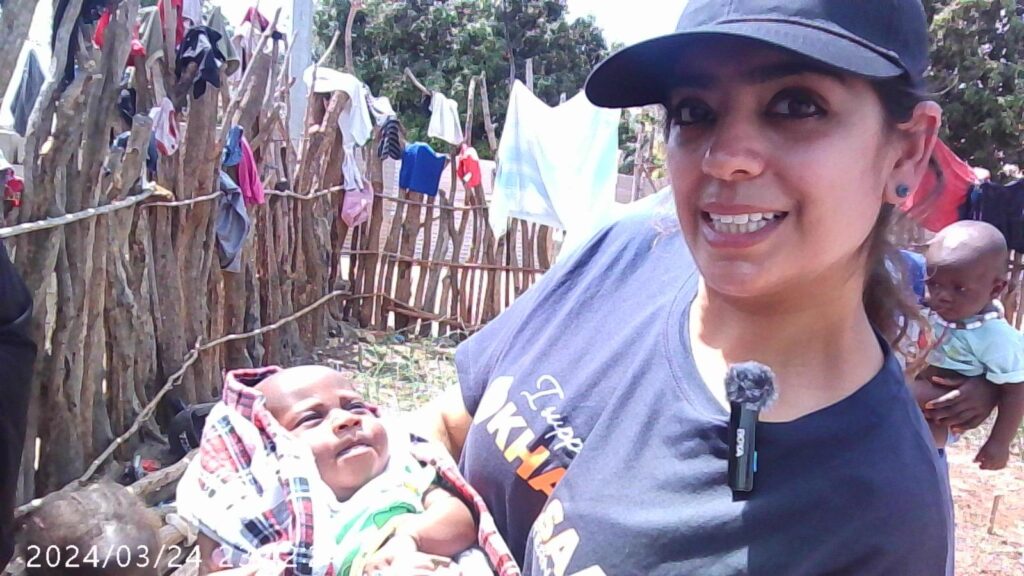
The red dust of The Gambia settled on my boots, a stark contrast to the verdant fields I’d imagined before embarking on this humanitarian trip with Khalsa Aid. What I witnessed was a landscape grappling with the harsh realities of water scarcity and the silent struggles of its young women. Yet, amidst the challenges, I found an unwavering spirit of resilience and a profound sense of community.
My mission was multifaceted: to review and assess the functionality of existing water pumps, ensuring their continued efficiency, and to gather feedback on the distribution of feminine hygiene packs in local schools. It was a journey that took me beyond the tourist trails, into the heart of rural Gambian life.
The Lifeline of Water:
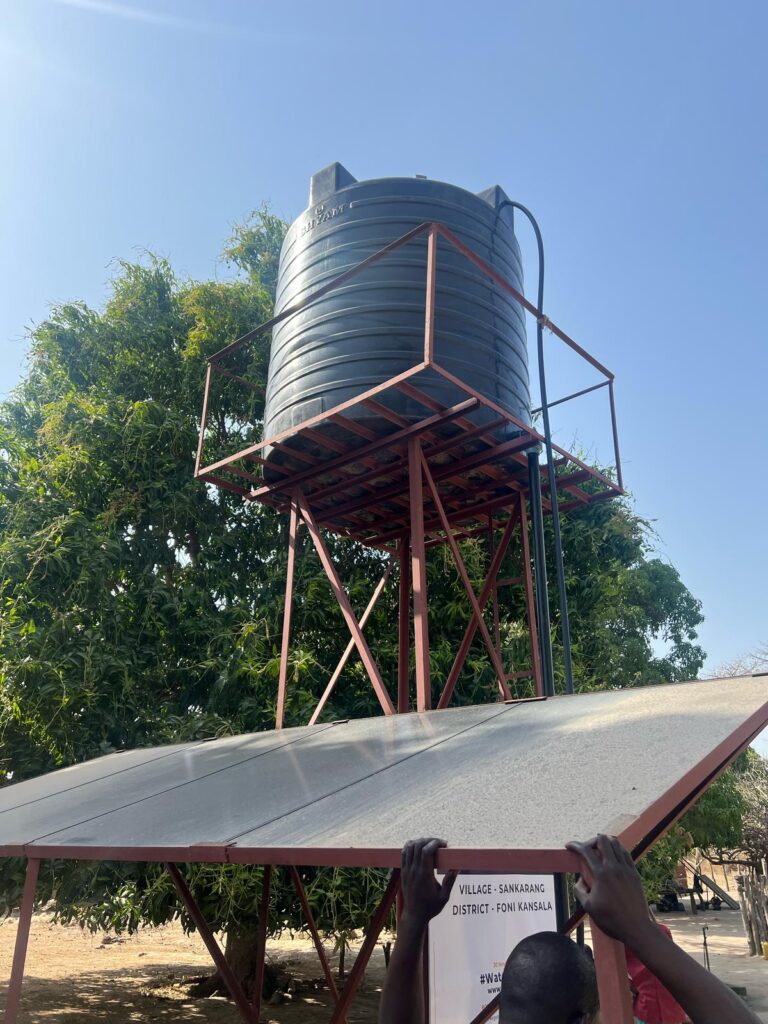
The first part of my trip focused on the lifeblood of these communities: water. I undertook 18 water pump reviews, meticulously checking their performance and noting any maintenance requirements. These pumps, installed by Khalsa Aid, are more than just machines; they are lifelines. Each gushing flow represents clean drinking water, irrigation for crops, income for families and a chance for a healthier future.
Three water pump assessments were also conducted, evaluating potential sites for future installations. The need was palpable. I saw women and children walking miles under the scorching sun, carrying heavy containers of water in the month of Ramadan. The potential impact of a single functional pump was immeasurable. Imagine the hours saved, the diseases prevented, and the opportunities unlocked.
Empowering Young Women:
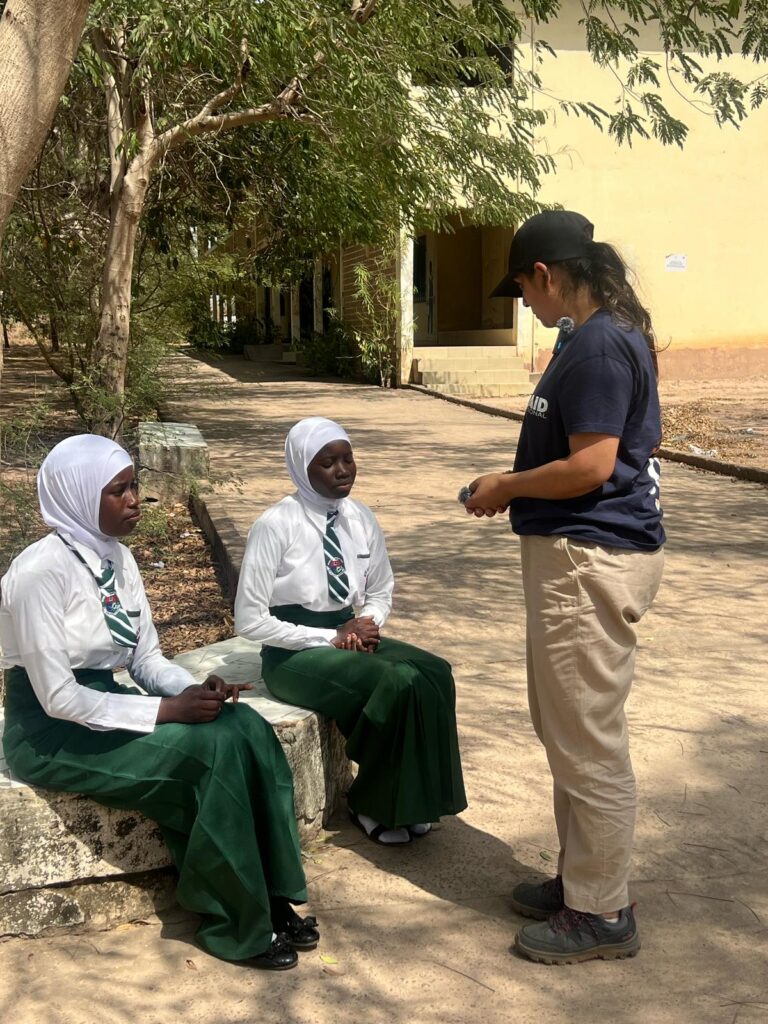
Beyond the issue of water, I had the privilege of visiting two schools where Khalsa Aid had distributed feminine hygiene packs. This initiative addressed a critical need, often overlooked. In many communities, the lack of access to sanitary products forces girls to miss school during their menstrual cycle, hindering their education and perpetuating a cycle of disadvantage.
The feedback I received was overwhelmingly positive. The girls spoke of newfound confidence and the ability to focus on their studies without fear or shame. Teachers highlighted the positive impact on attendance and the overall well-being of their students. It was a tangible example of how a simple act of kindness can have a profound ripple effect.
Lessons Learned:
My time in The Gambia was a humbling experience. I witnessed firsthand the power of collective action and the unwavering dedication of Khalsa Aid volunteers. The challenges are significant, but the impact of their work is undeniable.
Here are a few key takeaways:
- Water is a fundamental right: Access to clean water is not a luxury; it’s a necessity. The work being done to provide sustainable water solutions is crucial.
- Empowering women empowers communities: Supporting girls’ education and addressing their specific needs creates a more equitable and prosperous future.
- Small acts, big impact: The distribution of feminine hygiene packs, while seemingly simple, has a transformative effect on the lives of young women.
- Community collaboration is key: The success of these projects relies on the active participation and ownership of the local communities.
Looking Ahead:
The journey is far from over. There is still much work to be done. The need for clean water, sanitation, and education remains critical. However, I left The Gambia with a renewed sense of hope and a profound appreciation for the resilience of the human spirit.
I am grateful to Khalsa Aid for providing me with this opportunity to contribute to their invaluable work. I encourage everyone to learn more about their initiatives and consider supporting their efforts. Every drop of water, every sanitary pack, and every act of kindness makes a difference.
This trip has reinforced my belief in the power of humanity to overcome adversity. It’s a reminder that even in the face of daunting challenges, hope can bloom in the most unexpected places.