

Pinia, Panjeeri ; “Pinni is a type of Punjabi and North Indian cuisine dish that is eaten mostly in winters”.
Pinia in my childhood
As a child growing up in a very traditional Punjabi household, there were never any conversations about the facts of life or baby announcements. Despite this, I always knew that a baby was on its way when there were hushed conversations within the household, pale and tired looking Aunties and my Bibi Ji (paternal Grandmother) frantically preparing “Pinia”. Not surprisingly then, I have always associated Pinia with childbirth and mothering.
Pinia for me as a mother
As a first-time expectant mother, mum made me Pinia in my third trimester. When she told me to start eating them a week or two before my due date, I questioned this believing that they would be too heavy for me and my unborn child. Mum explained that I would need the energy to birth my child whilst also cautioning me not to eat too many as they were very rich. Over the years, I have learned not to question mums’ wisdom. Not because I do not have a questioning mind but because I have faith in the old age remedies which have worked so well for the women who have come before me. I hold such ancient practices in reverence not only because they have stood the test of time but also because I have seen for myself how they aid health and wellbeing.
I am convinced that Pinia played a role not only in allowing me to birth naturally (without any pain relief with my second child), but also aided my physical, emotional, and spiritual post-partum recovery.
To this day, I vividly recall the memories of my eating Pinia whilst breast feeding in the dawn hours. Those night-time feeds might have been very lonely and isolating had I not taken comfort in my thoughts. Thoughts of the many women in my ancestral lineage who must also have breastfed whilst eating Pina. I remember too, marvelling at the realisation that these tiny, power packed balls, were fuelling two bodies on a physical and soulful level in a multitude of ways.
My body was recovering and rebuilding whilst my babies bodies were growing and developing in strength. Western science now confirms that many of the ingredients in Pinia contribute to increasing the supply of breast milk and so Pinia were directly giving me and my babies strength and aiding our early bonding. The wisdom around Pinia passed down via the matriarch was sustaining me and my children whilst little nuggets of wisdom passed down by female cousins was further building my strength and resilience. I was taken aback by the difference in my energy levels when my Masi’s (Maternal Aunt’s) Daughter advised me to eat them whilst I was breastfeeding.
Pinia in pre Kilimanjaro training
Training for Kilimanjaro as a working mother of two has not been without its challenges. When I began to lose weight, mum expressed her concerns, explaining that I needed to maintain my strength. I explained that sometimes I did not have enough time to cook wholesome foods and that at other times my calorie intake was not meeting my exercise output. Mum once again advised me in no uncertain terms that I should be eating Pinia. I questioned this because I had always assumed that Pinia were to aid post partum or post operation recovery. Once again, life taught me not to question mum`s intuitive wisdom around food which she passes down to me regularly through such conversations.
Mum made me a huge batch of Pinia which I thought would last me until my trip. However, once I began eating the Pinia, my weight rose again to a healthy level, my energy levels were able to sustain my new exercise regime and I also felt happier. I then began eating more of them (alongside my diet) and to my surprise I finished them within a couple of weeks. This indicated to me that my body had been craving the nutrients all along and I was happier that I was eating whole foods with no refined ingredients.
Whilst many of the foods of my foremothers and fathers bring me immense joy and connection to them, these feelings are heightened when the foods have stories attached to them. I often think about life through the lens of food and in the case of Pinia, which I had always connected to childbirth and recovery, I realised that Pinia were now fuelling my body for the strength that was needed to birth my authentic brave self on Mount Kilimanjaro as I prepared to step outside my comfort zone.
I have seen my fellow “Kili girls” all of whom are Punjabi, also fuel their bodies with Pina on our hikes and the power that I have seen is testament to their strength. During our hikes, we have often discussed Pinia, spoken about the ingredients as though we were exchanging precious family secrets and learnt from one another that sultanas are a natural sweetener, that the taste of fennel seeds in Pinia add a complex layer of taste which leaves a refreshing aftertaste in the mouth, whilst others have swapped refined sugars for coconut sugar. Such exchanges have brought Pinia to life for me whilst also redefining their purpose in my mind.
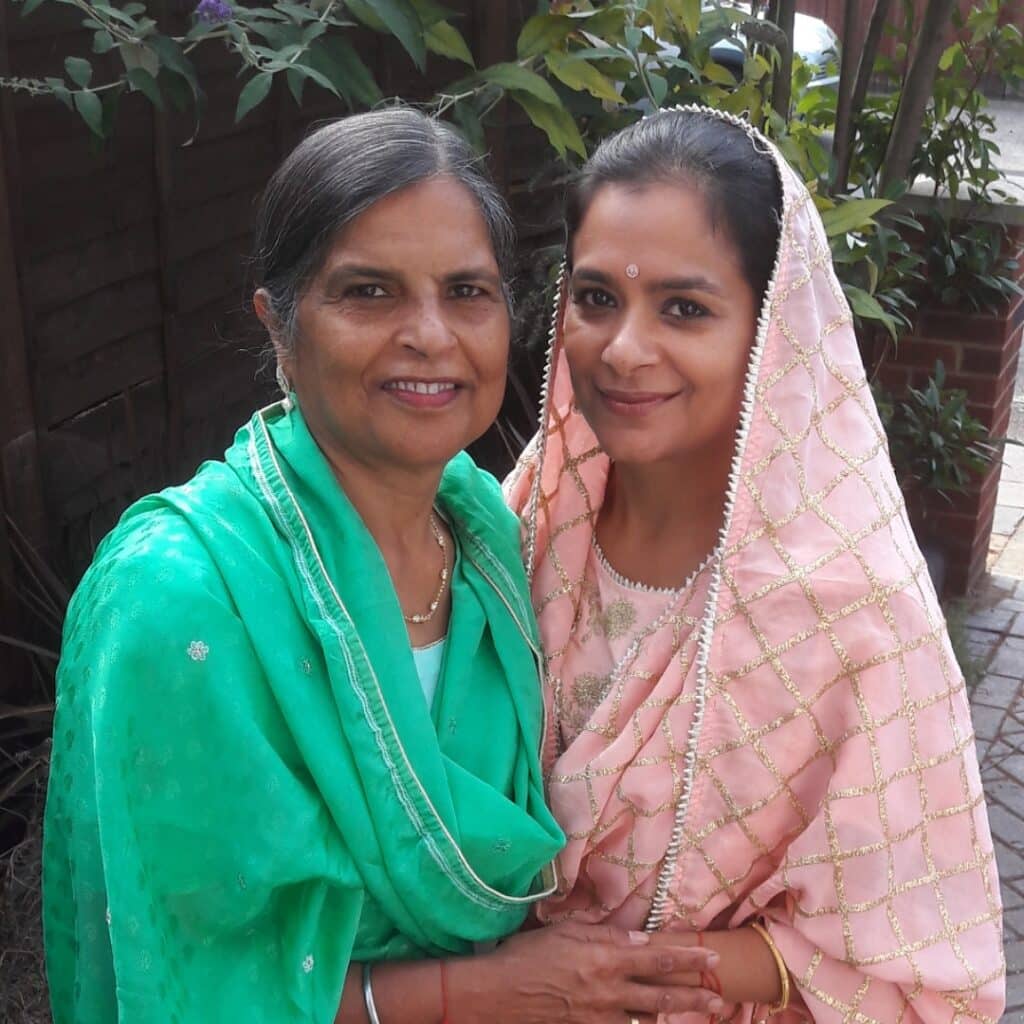
I view the practice of an elder women preparing Pinia as a labour of love. The ingredients can be expensive and the process of making them arduous, time consuming and even a little messy.
When my mum handed me over my very BIG BATCH of Pinia in the biggest Tupperware she had, I accepted them graciously as her unspoken blessing for the new adventure I was getting ready to embark upon, whilst simultaneously also embracing my ancestral wisdom being passed down for a new purpose. Such emotions and thoughts in the seemingly small act of accepting Tupperware leaves me in awe of how in my culture, food has so many stories and emotions attached to it. The fact that my children are witness to this and the fact that our fridge is heavily stocked up with Pinia further ensures that Pinia will remain in their awareness.
Language of food
Whilst embracing the new, it is fundamentally important to me that I also retain the original essence of my ancestral foods, culture and language as much as I can. When my children referred to Pinia as “flapjacks” I felt a wave of sadness pass through my body. I wondered why I was having such a visceral reaction to a word. I then realised the sadness that I was feeling was in response to my children “white washing” the foods of their ancestors.
For the first 5 years of my life, Punjabi was my dominant language and I am a proud Punjaban. I adore the language and I often “think in Punjabi” much to my husband’s annoyance on occasions! This proud Punjaban has an innate desire for the words of her mother tongue to remain on her tongue and for her children to hear and speak these words before they go into extinction in her blood line. When my children innocently called Pinia “flapjacks” I further recognised the reaction I had as possibly being a trauma response of my ancestral foods being “white washed”. I reflected and arrived at the realisation that I was being asked to leave my maa boli (Mother Language) and authentic self for the convenience of my children. I sat with my children and asked why they felt that we needed to rename a food that already had a name, further questioning how they would feel if they were renamed. Fortunately, they now refer to Pinia as just that.
It gives me immense joy when I see nut-based products in major high street supermarkets being referred to as “protein balls” highlighting the importance they have in providing the human body with energy. I also have a quiet inner smile and warmth when I see the marketers attempts at convincing me that these are “new”. Perhaps this inner warmth comes from the deep gratitude that I have for the women from both sides of my lineage ensuring that Pinia were not new to me. My dearest wish is to acknowledge and celebrate this now.
With gratitude, thankyou mum for making and teaching me how to make gluten free Pinia! I promise you and all the women who come before me, that I will continue your legacy and pass eating and making Pinia to both mine and your children.
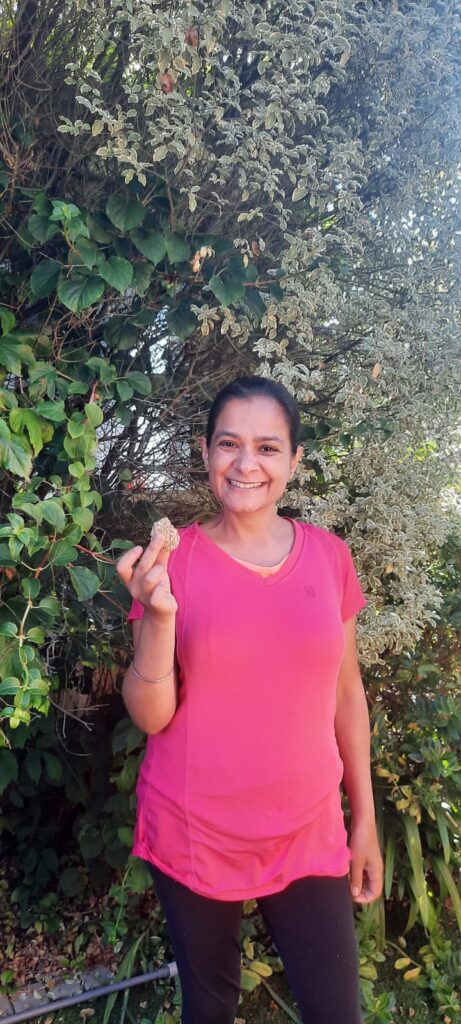
1 thought on “Pinia, Me and Kilimanjaro! By Sarbjit Malhi”
Please share your / your mums recipe for Pinnia. As a Punjabi I have already made huge amounts of Saag this winter !